Nepal
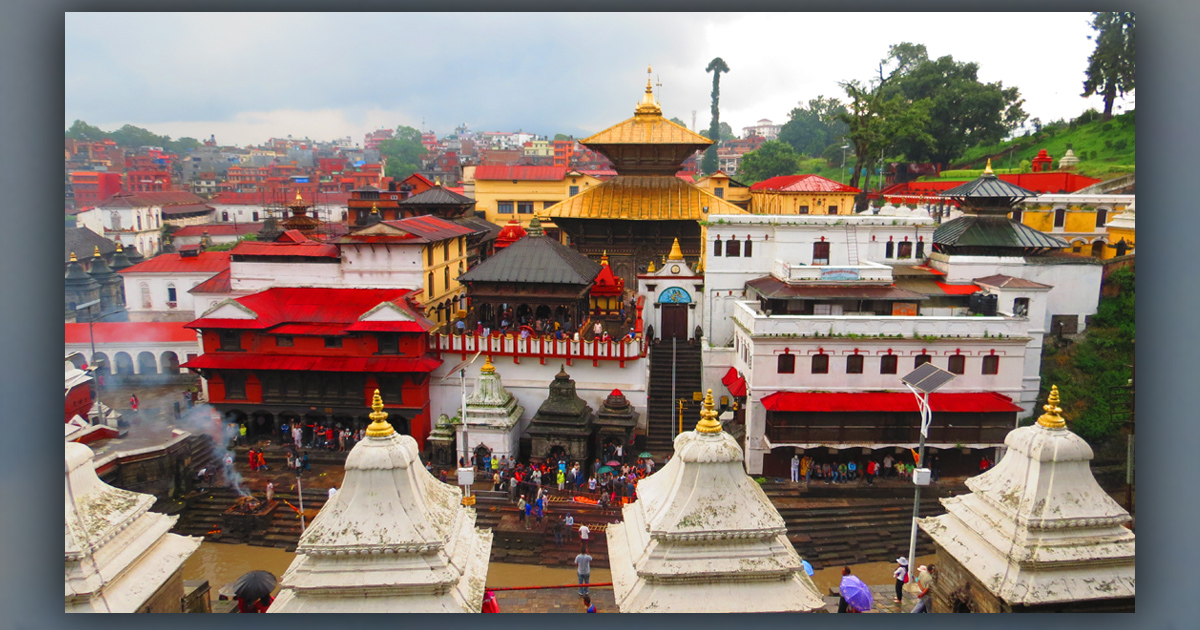
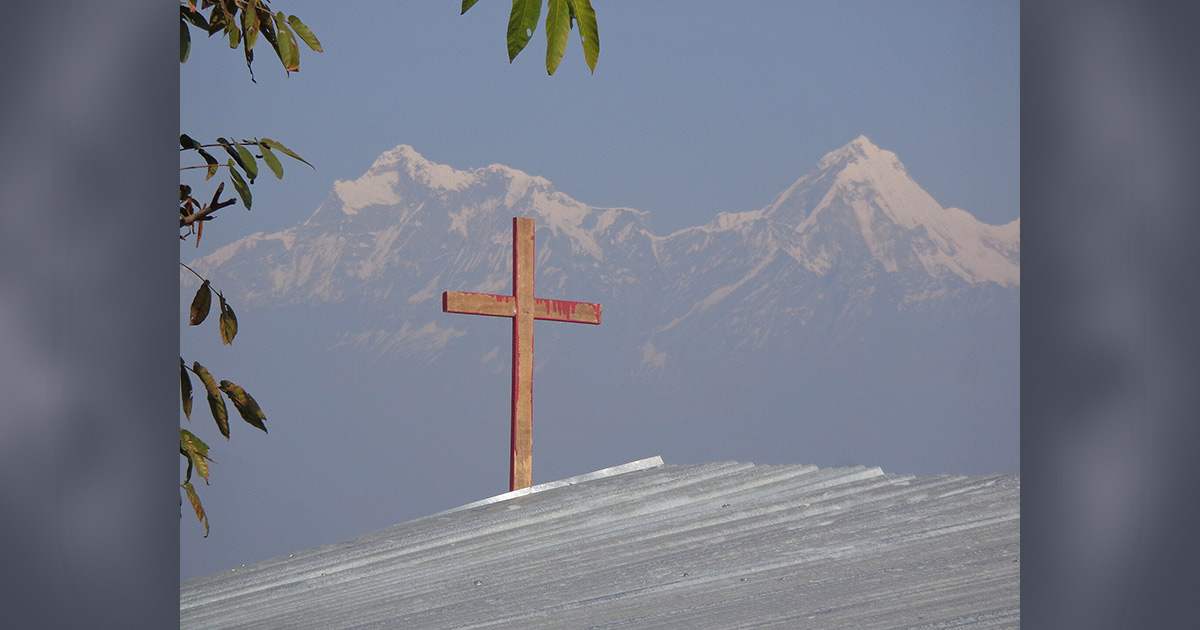
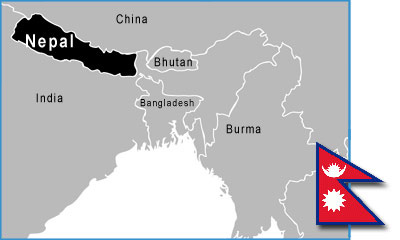
Nestled between China and India, the landlocked nation of Nepal was the world's only officially Hindu country until 2006. At that time, approximately 86 percent of the country’s population had been identified as Hindu, and only 0.6 percent represented Christianity. Today, Christians make up an estimated 1.4 percent of the population, and Hindus account for approximately 81 percent, with the remainder representing a small number of religious minority groups.
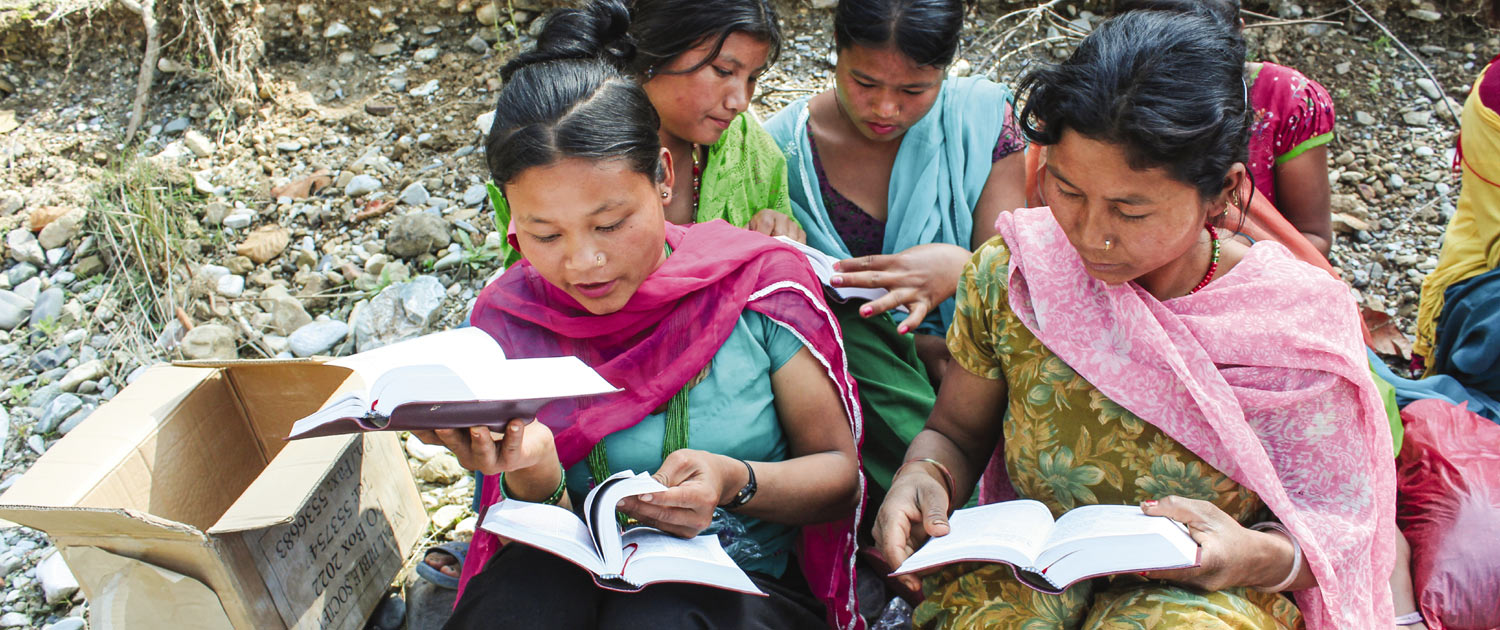
Civil unrest in 1990 led to the liberalization of governmental controls, including legal recognition of the right to profess and practise any religion. However, it became apparent that this freedom did not extend to activities involving evangelism. Despite the updated official policy, the persecution of Christians continued at a local level. This was particularly concerning for those who spoke of their faith in Jesus with Hindus. Additionally, Nepali citizens who converted to religions other than Hinduism faced social rejection and the possibility of being targeted in acts of violence.
During April 2008, Christians welcomed the victory of the Maoist party in elections held to form an assembly tasked with rewriting the constitution and establishing Nepal as a democratic republic. Many believers viewed this political shift as a step towards greater religious freedom. However, developments in more recent years have raised serious concerns. In 2017, conversion to Christianity was criminalized under a new bill. And then, in 2018, governing authorities warned that anyone found changing their religion could face expulsion. These measures have directly targeted Christians and further restricted religious freedom throughout the country.
 Population