
Tags
2025-12-31
-
Pakistan - Year in Review
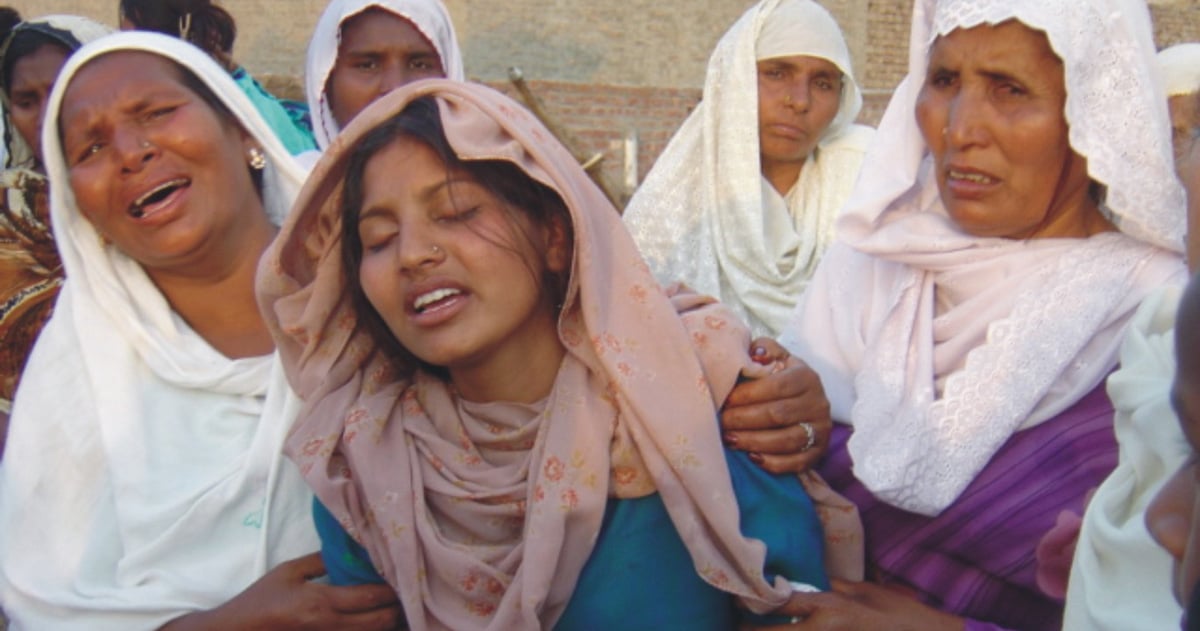
Photo: VOMC While Christianity has been a significant part of Pakistan's cultural fabric for centuries, Islam remains the country's dominant religion, thereby controlling much of society. Typically, the suffering of Christians has stemmed from two primary sources: 1) accusations of blasphemy leading to charges and imprisonment, and 2) the kidnapping of young women and girls who are subsequently forced to convert to Islam and marry their captors.
-
India - Year in Review
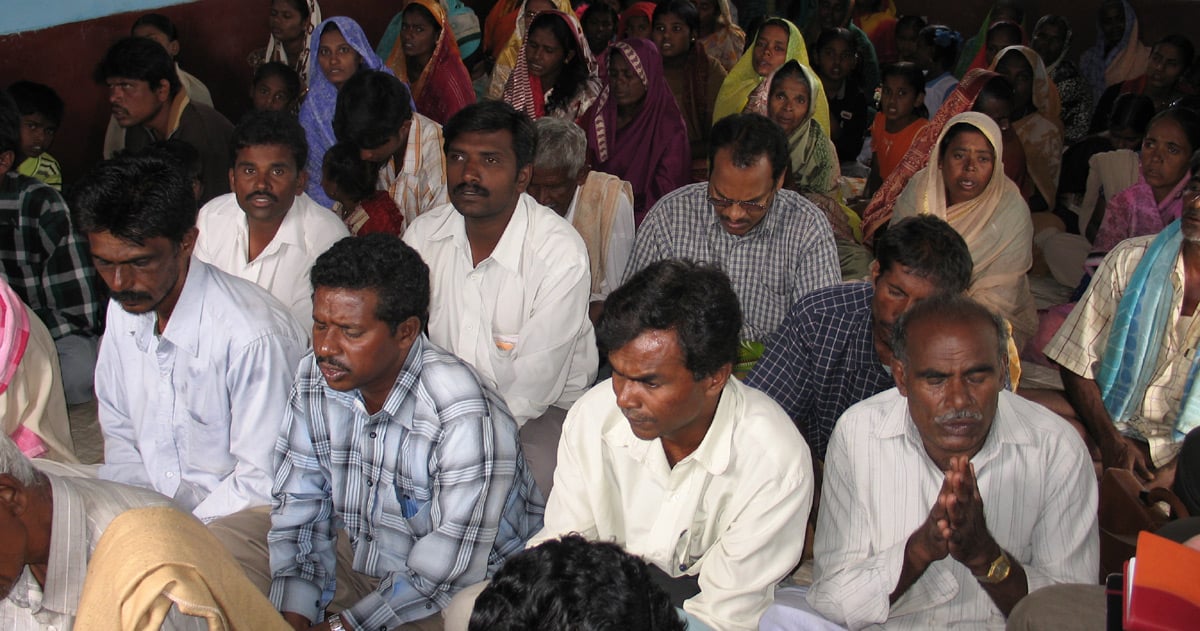
Photo: VOMC Anti-conversion laws in various states still present major challenges for Christians in this South Asian country. While many accusations have little to do with actual religious conversions, these laws are often used to shut down churches or punish individual believers. Additionally, such allegations frequently incite mob violence.
-
China - Year in Review
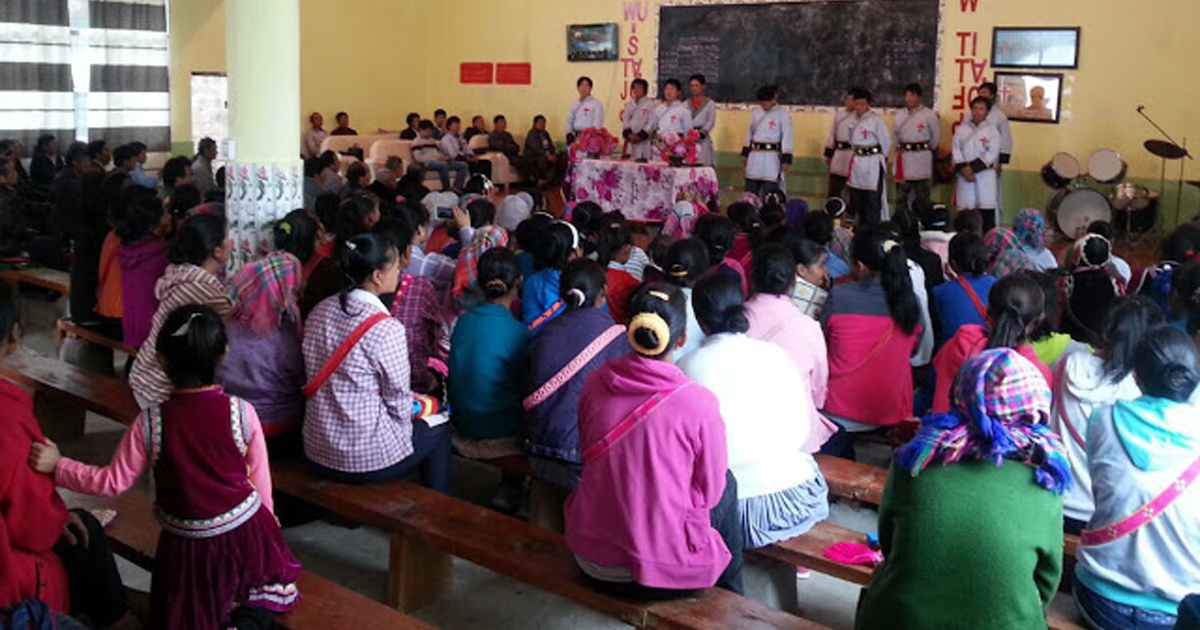
Photo: ChinaAid
Reports of persecution against Christians in China specifically involve opposition from the Chinese Communist Party (CCP) and their provincial counterparts. The country's governing officials have mandated that all churches promote the Communist Party's policies. Those refusing to comply inevitably encounter harassment or imprisonment. For more information regarding Christian persecution in China, and/or to review specific reports, see our China country profile.
-
Nigeria - Year in Review
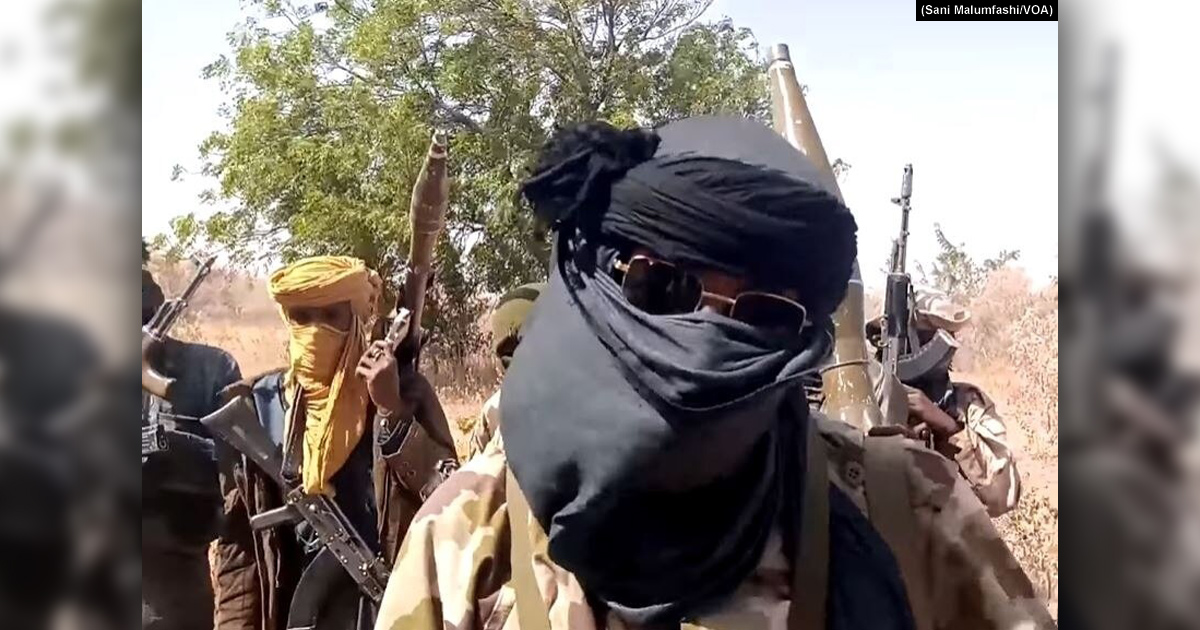
Fulani militants.
Photo: Voice of America
Unlike some nations where persecution is government-instigated, believers in Nigeria – particularly those in northern parts of the country – are at greatest risk of life-threatening attacks perpetrated by their fellow Nigerians. In previous years, Islamic militant groups (such as Boko Haram) carried out their violent raids against Christian villages with impunity. In addition to slaying many innocent inhabitants, buildings and properties within these communities were destroyed. While other terrorist groups remain a major active threat to Christians residing in Nigeria, most of the attacks reported during 2025 were carried out by militant Fulani herdsmen.