Rajasthan's Governor Refuses to Sign Anti-Conversion Bill
Rajasthan's governor, Pratibha Patil
On April 12, the Persecution and Prayer Alert reported that anti-conversion legislation had passed the Rajasthan state legislature and would come into effect once details had been worked out (click here for more details). What was unforeseen was a move on May 19 by the state governor, Pratibha Patil, who refused to sign the bill into law, saying that it would violate religious freedom. Upon returning the bill to the state assembly, the governor said the bill could be referred to India's president if the assembly so desired. While Rajasthan's government is controlled by the Hindu-based Bharatiya Janata Party, the federal government is controlled by the more secular United Progressive Alliance.
"We are happy that the governor took a bold step," said Dr. Joseph D'souza, president of the All India Christian Council. Praise the Lord that Governor Patil has listened to the concerns of religious minorities in her state and has stopped this legislation. Continue to pray for religious equality in India.
Be sure to receive next month's edition of The Voice of the Martyrs Newsletter which features the persecution to India's Christians. Subscribe today on our newsletter page. VOMC is also pleased to offer for sale Joseph D'souza's book, "Dalit Freedom," online for only $10.00. Go to our online catalogue for more details.
VOMC assists persecuted Christians with legal support and rehabilitation assistance, and cares for children of martyrs by providing them with a safe place to be nurtured physical and spiritually. VOMC also partners to equip Christians in India with Biblical training and works to strengthen and support marginalized and persecuted Christian women. Additionally, VOMC helps to provide medical assistance to believers who have faced injuries after being attacked.”
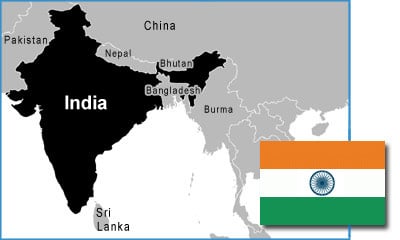
Ethnicity (%) Indo-Aryan (72), Dravidian (25), other (3)
Religion (%) Hinduism (79.8), Muslim (14.2), Christianity (2.3), Sikh (1.7), other (2)
Leader President Droupadi Murmu (2022)
Government type Federal parliamentary republic
Legal system Based on English common law; separate personal law codes apply to Christians, Hindus and Muslims.
Source: CIA World Factbook
Pray for India
Despite the intimidation and violence that have taken place in many of India's states, may Christians wisely yet unashamedly preach the Gospel. Pray that indigenous Christians and foreign missionaries will minister in ways that do not hint at fraudulent conversions, unmasking the intentions behind the anti-conversion legislation. Intercede for India's leaders, that they may reign with justice and righteousness.
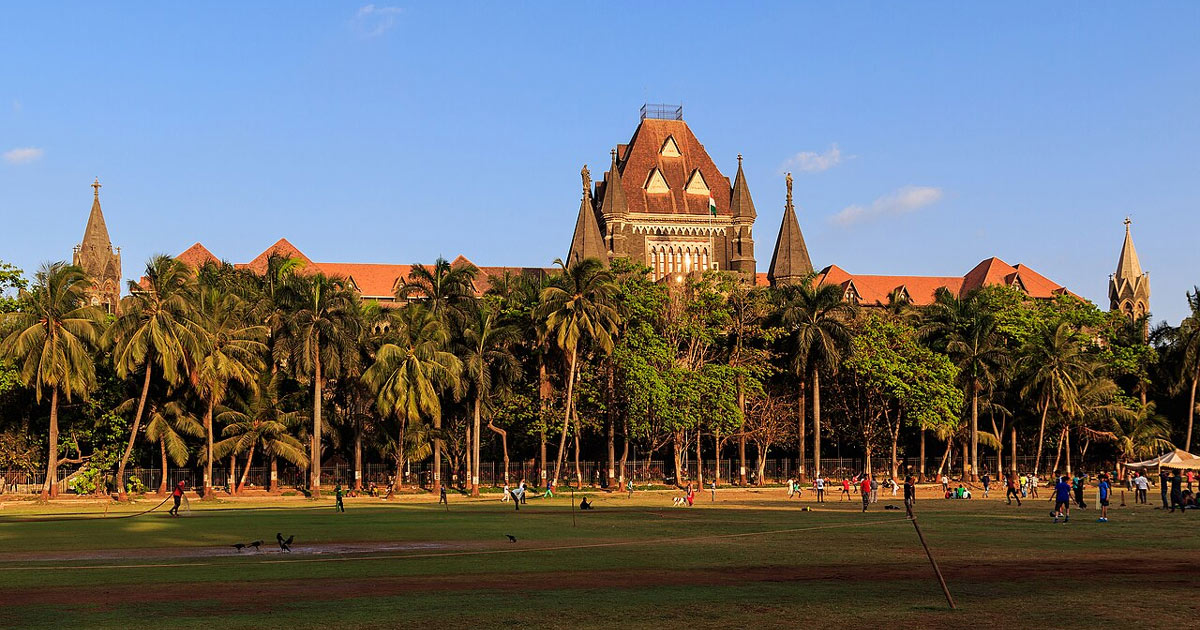
The Bombay High Court building. Photo: Wikipedia / A.Savin (FAL)
Maharashtra has become the latest state in India to enact legislation restricting religious conversions. The law, which came into effect on August 28th, imposes particularly stringent conditions. Any conversions suspected to have been achieved through either coercion, misrepresentation, allurement or undue influence can result in up to seven years' imprisonment. Even harsher penalties apply in cases involving the conversion of women, minors, persons with disabilities, or members of tribal communities.
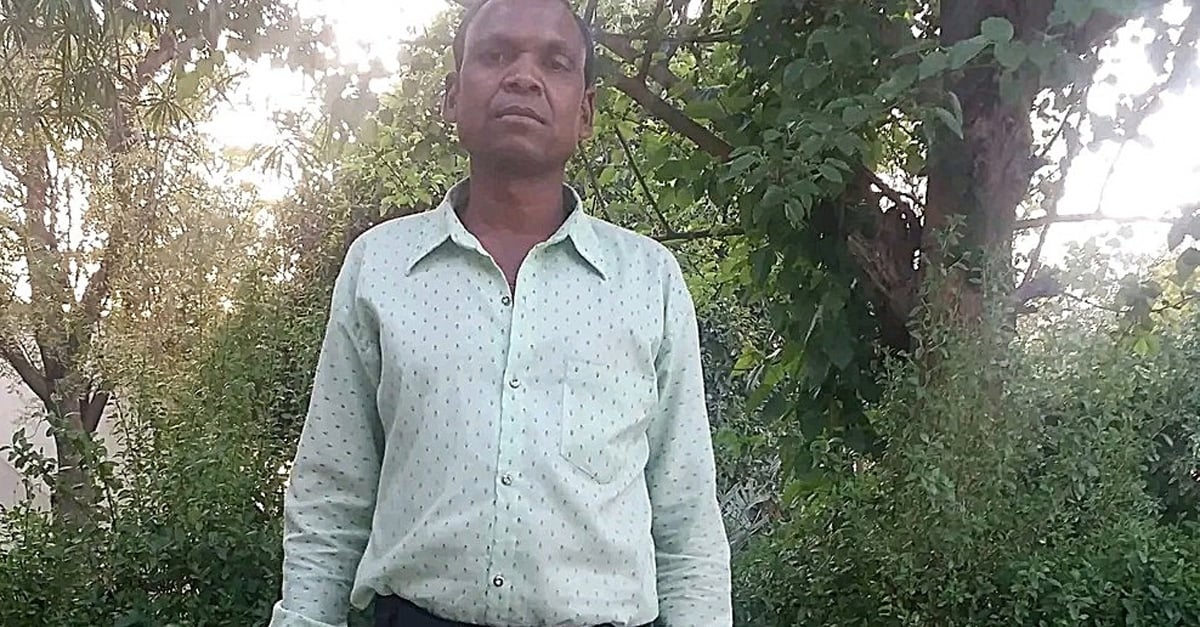
One of the imprisoned individuals. Photo: Morning Star News
On June 12th, seven Christians – at least six of whom are pastors – were convicted under the anti-conversion laws of Madhya Pradesh state and sentenced to five years in prison, along with orders that each one of them also pay a substantial fine. The allegations relate to a social event that took place in June of 2024 when the accused believers had attended a child's birthday party. (For more details regarding this case, see our previous report.)
A village in India. Photo: Flickr / Rakshit Pandey (CC)
The state government of Maharashtra has ordered an audit of all land and properties owned by Christian churches and charities following allegations that some have been misused for private or commercial purposes. The decision was made following a case of alleged fraud involving a Christian organization in the state's Nashik region, where parcels of church-owned land were reportedly leased or sold using forged ownership records.
Arun Pannalal is a 75-year-old church leader who serves as president of the Chhattisgarh Christian Forum. On August 7th, he was arrested after being accused of posting a comment on social media that allegedly offended the religious sentiments of Hindus. The comment was reportedly made in response to an existing Facebook post.


 Population