
Tags
India
-
Maharashtra's Conversion Law Now Challenged in Court
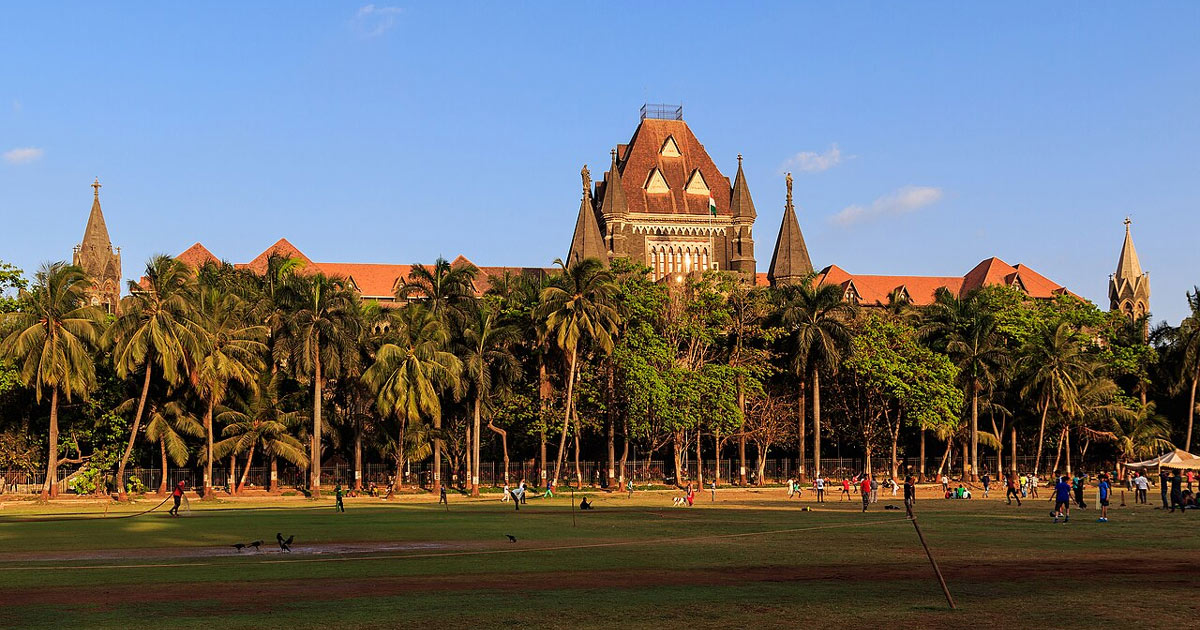
The Bombay High Court building.
Photo: Wikipedia / A.Savin (FAL)Maharashtra has become the latest state in India to enact legislation restricting religious conversions. The law, which came into effect on August 28th, imposes particularly stringent conditions. Any conversions suspected to have been achieved through either coercion, misrepresentation, allurement or undue influence can result in up to seven years' imprisonment. Even harsher penalties apply in cases involving the conversion of women, minors, persons with disabilities, or members of tribal communities.
-
Seven Ministerial Leaders Released on Bail
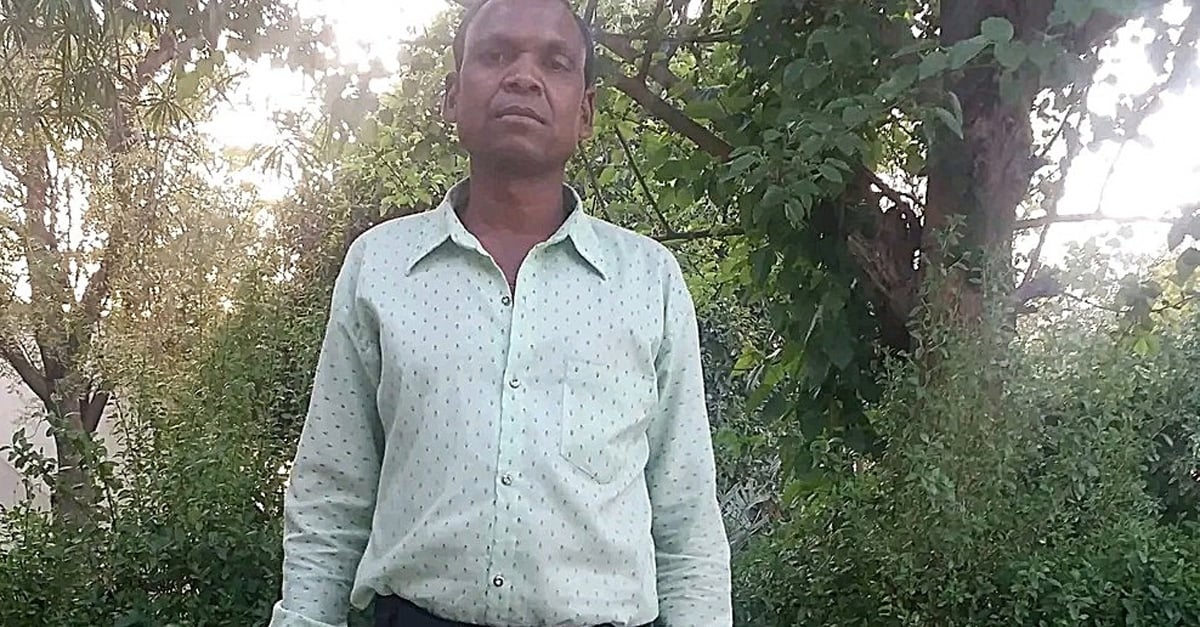
One of the imprisoned individuals.
Photo: Morning Star NewsOn June 12th, seven Christians – at least six of whom are pastors – were convicted under the anti-conversion laws of Madhya Pradesh state and sentenced to five years in prison, along with orders that each one of them also pay a substantial fine. The allegations relate to a social event that took place in June of 2024 when the accused believers had attended a child's birthday party. (For more details regarding this case, see our previous report.)
-
Audit of Christian Properties in Maharashtra

A village in India.
Photo: Flickr / Rakshit Pandey (CC)The state government of Maharashtra has ordered an audit of all land and properties owned by Christian churches and charities following allegations that some have been misused for private or commercial purposes. The decision was made following a case of alleged fraud involving a Christian organization in the state's Nashik region, where parcels of church-owned land were reportedly leased or sold using forged ownership records.
-
Church Leader Arrested for Facebook Comment

Photo: Unsplash Arun Pannalal is a 75-year-old church leader who serves as president of the Chhattisgarh Christian Forum. On August 7th, he was arrested after being accused of posting a comment on social media that allegedly offended the religious sentiments of Hindus. The comment was reportedly made in response to an existing Facebook post.
-
Multiple Threats Against Christians in West Bengal
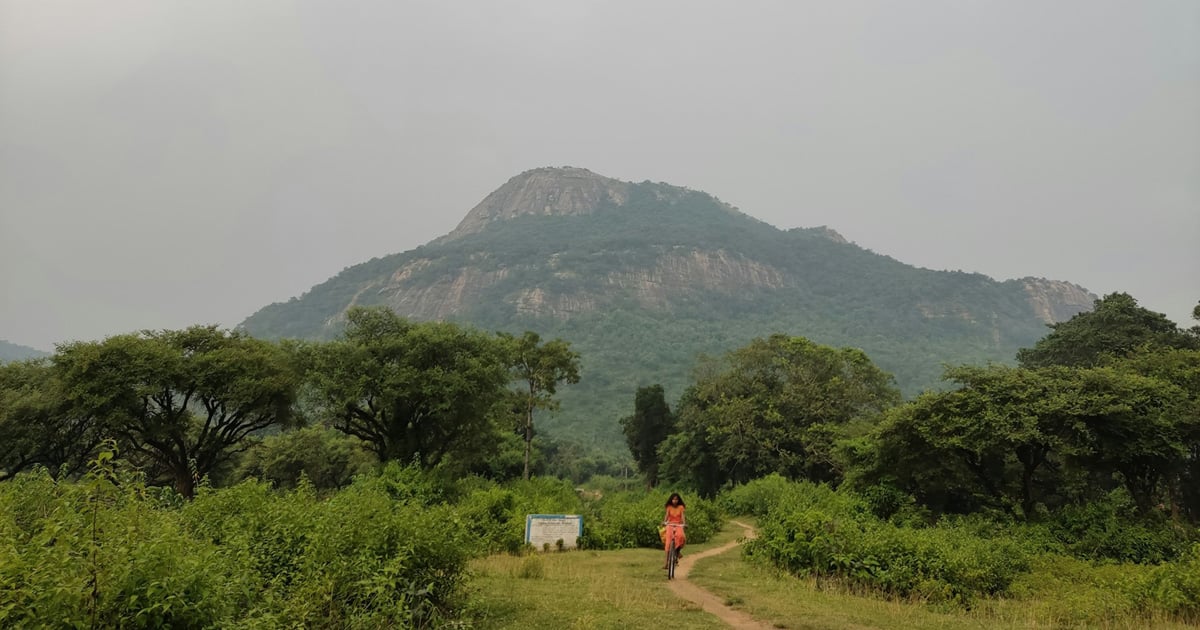
A scene from West Bengal.
Photo: UnsplashIn the South 24 Parganas district of West Bengal, Christians have been facing ongoing intimidation and violence from militants with apparent ties to the Hindu nationalist organization, Vishva Hindu Parishad (VHP).
-
More Christians Sentenced Under Anti-Conversion Laws
One of the imprisoned pastors.
Photo: Morning Star NewsRecently, seven Christians – six of whom are pastors – were convicted under the anti-conversion laws of Madhya Pradesh and sentenced to five years in prison. Each believer also received a fine of 100,000 rupees (approximately $1,500 CAD).
-
Christians Injured in Church Attack
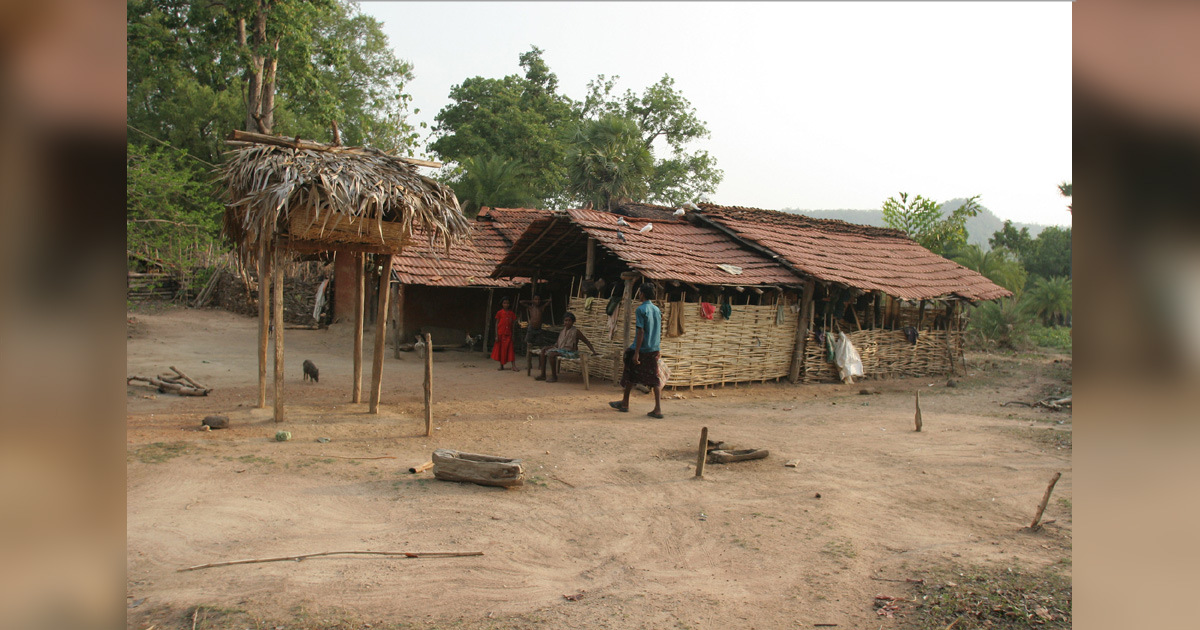
A village in Chhattisgarh.
Photo: Flickr / United Nations Development Programme (CC)More than 25 Christians – including children and elderly believers – were injured when a worship service was violently disrupted by Hindu nationalists on May 31st. The attack occurred in the village of Sadrapal, which is located within Chhattisgarh State, as more than 60 Christians gathered for worship. Among those injured were Pastor Hunga Mandavi and his pregnant wife. During the assault, the attackers demanded that the congregants renounce their faith in Christ.
-
Christian Families Denied Access to Basic Resources
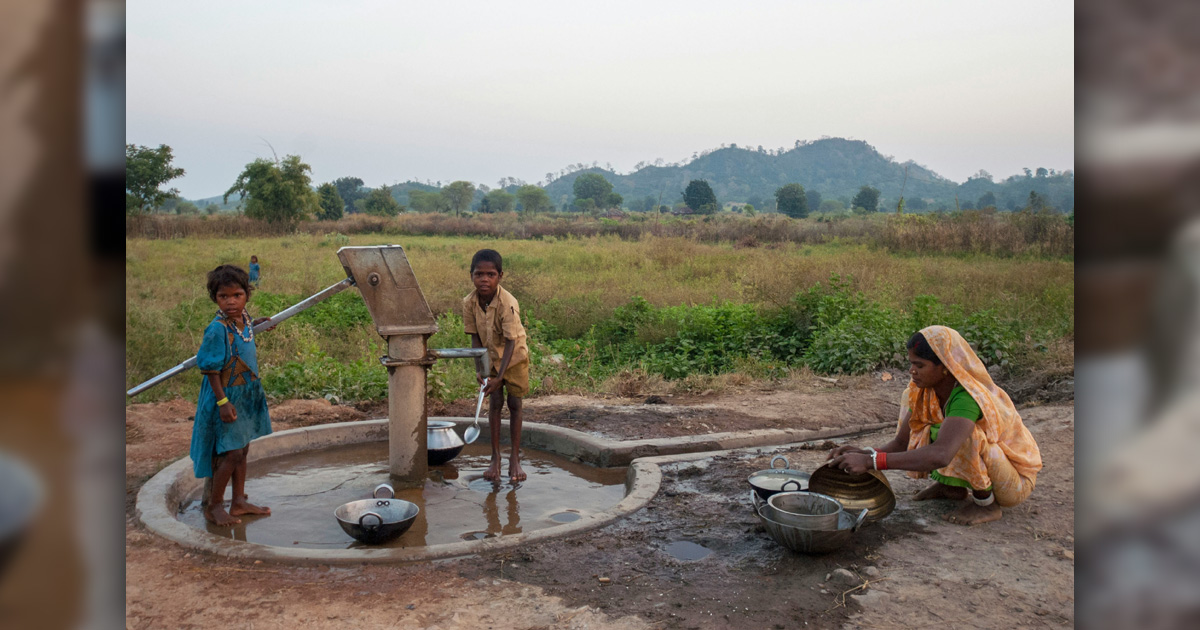
People drawing water in Chhattisgarh.
Photo: Unsplash / Wietse JongsmaMore than 180 Christian families from 32 villages in the Kanker district of Chhattisgarh have reportedly been denied access to communal water supplies and livelihood opportunities for refusing to renounce their faith in Jesus.
-
Increased Harassment Since New Anti-Conversion Laws
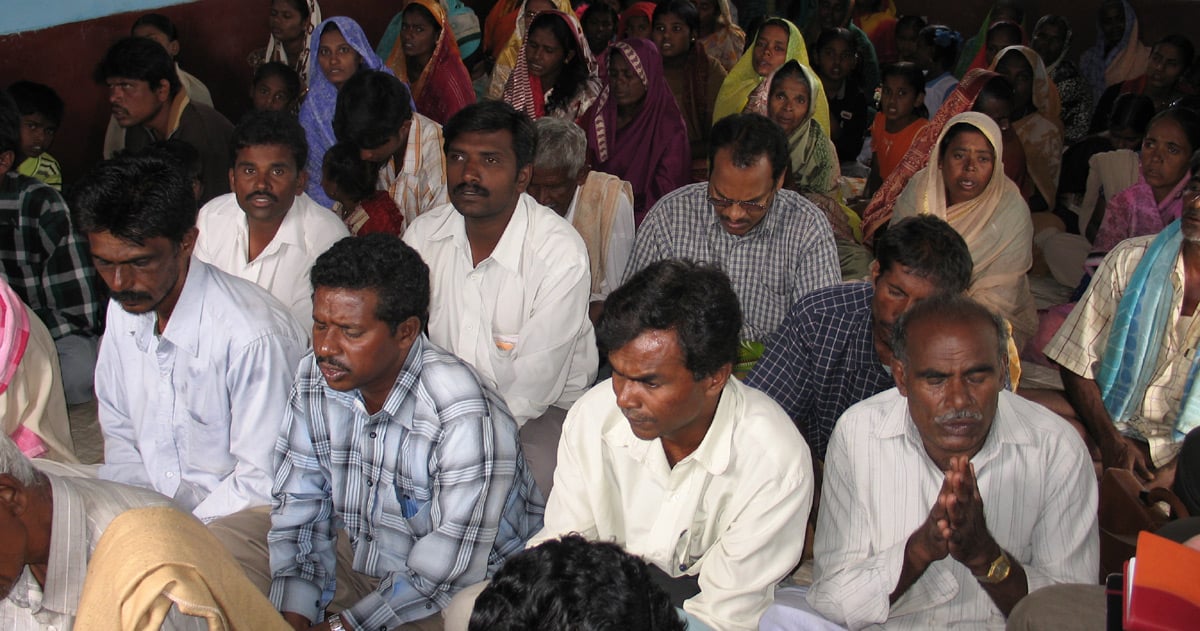
Photo: VOMC On the morning of May 10th, members of a Hindu nationalist organization travelled to disrupt several worship services in the city of Dhamtari, Chhattisgarh, where they verbally confronted the churches' pastors and demanded to see their identification papers. In some cases, police were also present to monitor the situation.
-
Harsh Anti-Conversion Laws in Chhattisgarh
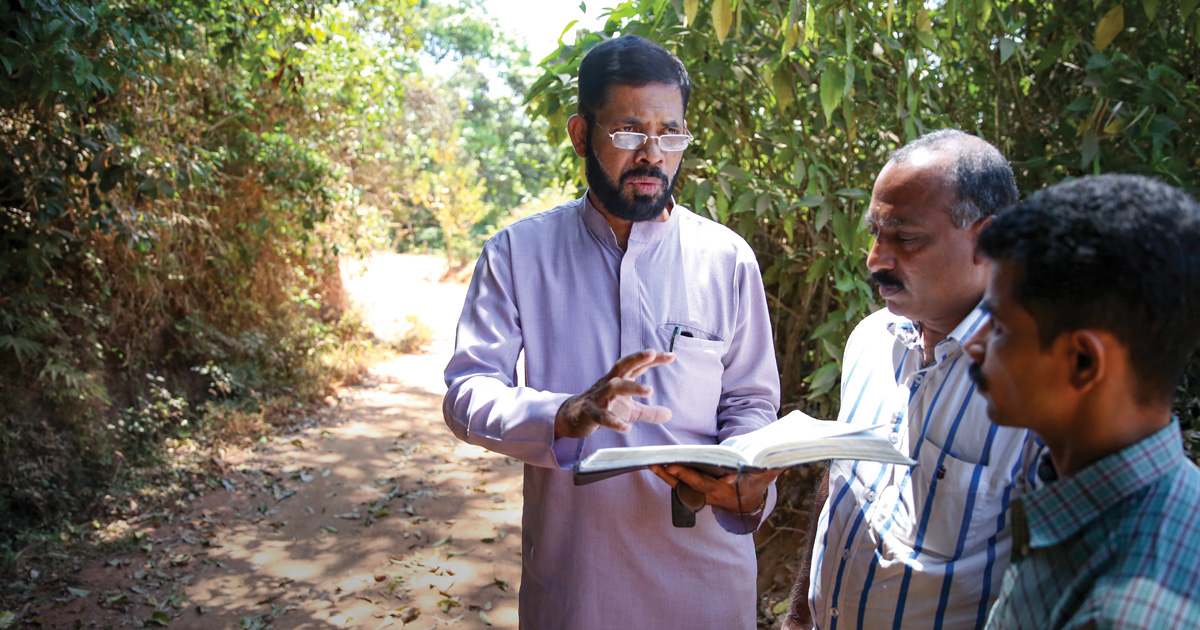
A pastor is sharing the Gospel in India.
Photo: VOM InternationalWhile many Indian states have instituted laws aimed at preventing coerced or forced religious conversions, the newly passed legislation in Chhattisgarh is notably more severe. Signed into effect by the governor on April 7th, the recently implemented law replaces a 1968 statute that Christian leaders say was frequently used as a weapon against minority communities.